A study in therapy
A visual essay about attention, feelings, defences and change in the therapy room. The images draw on ideas from MCT and ISTDP and give them a visual language of their own.
Click an image — or the thumbnails — to switch between original, warm tone and ink.
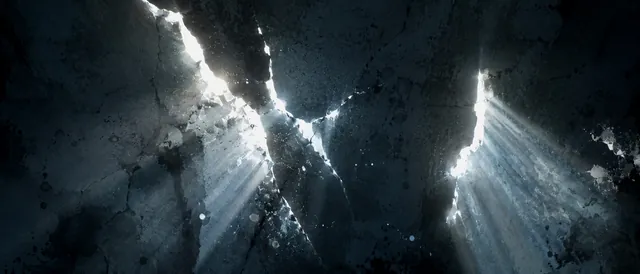
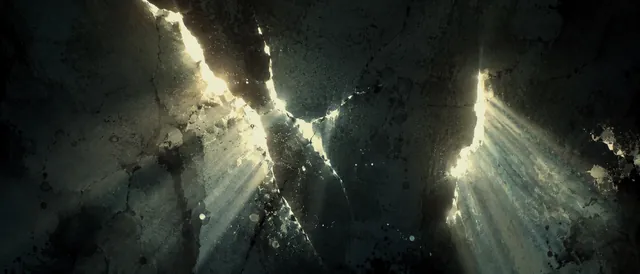
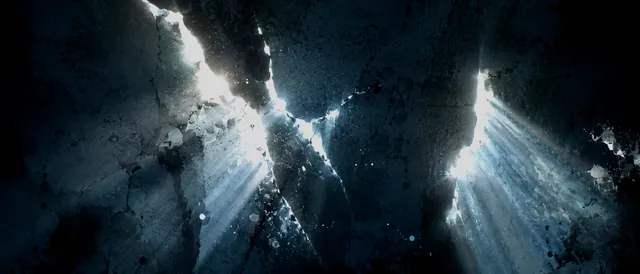


The cracks
It is through the cracks that the light comes in, as in a crisis or in therapy when the defences begin to crack.
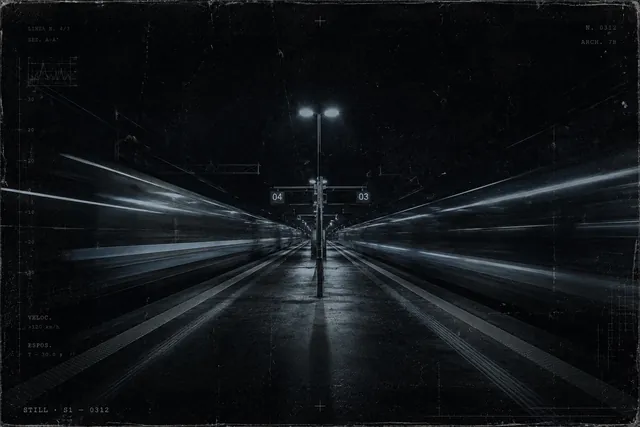
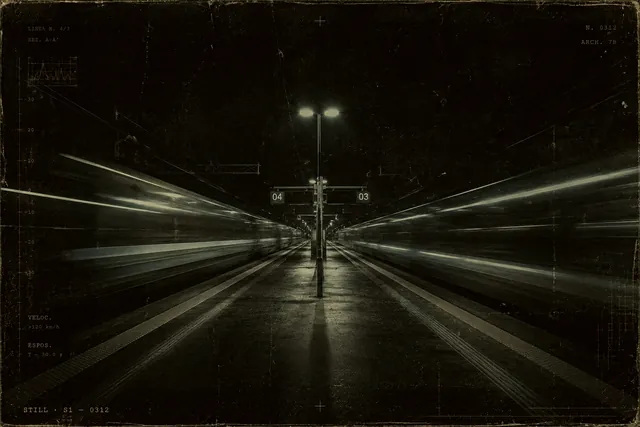
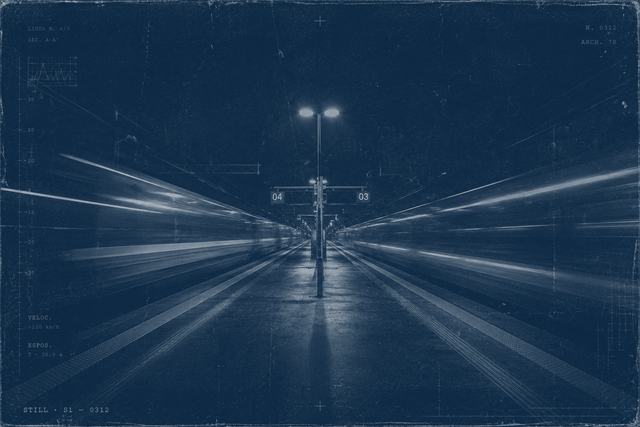
The platform
Your mind is like a railway platform. Triggering thoughts and feelings arrive like trains, open their doors, stop for a while, close again and move on. You can notice them without getting on. What you practise is not having to follow every thought further.


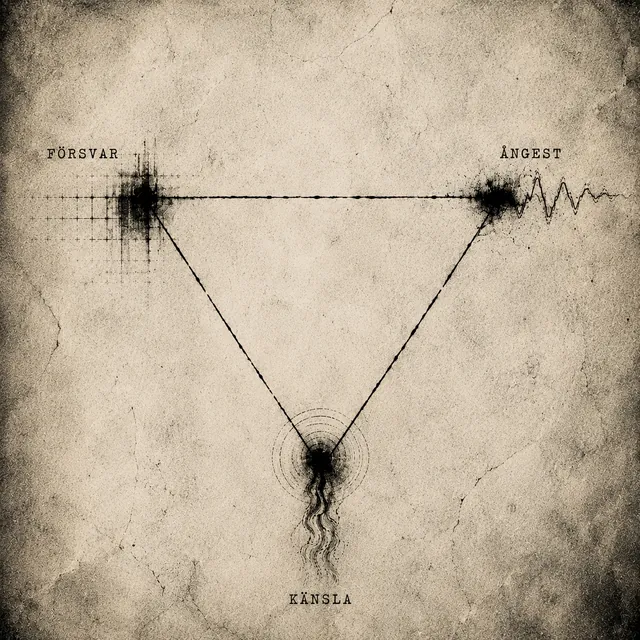
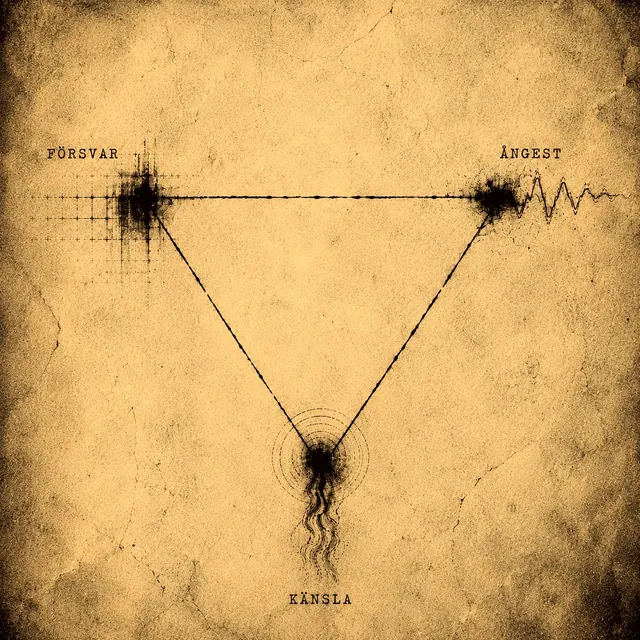
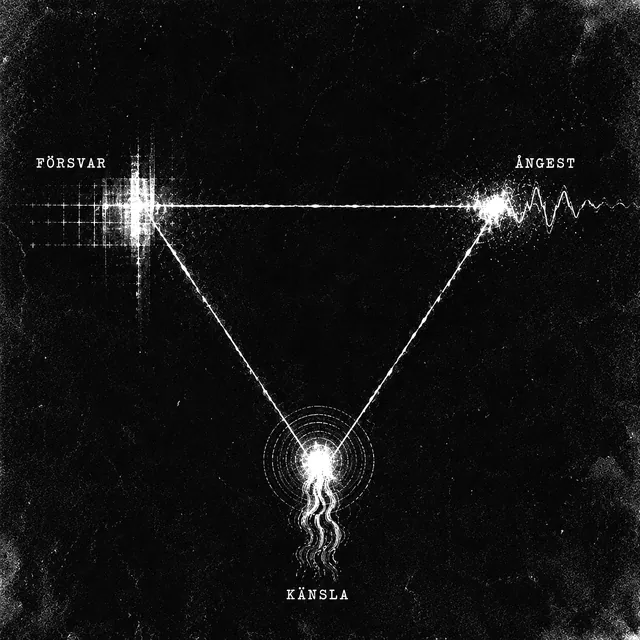
The triangle of conflict
Feelings arise. Anxiety manifests in the body. Defences are activated. Where in the triangle are you right now?


The tiger
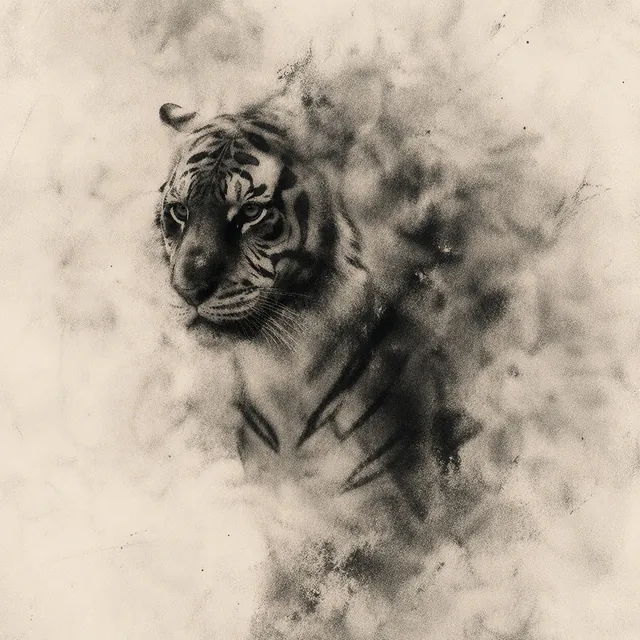
In the tiger exercise, you imagine a tiger and observe the image without trying to control it. It is a way of practising meeting a mental event without going into analysis or control.


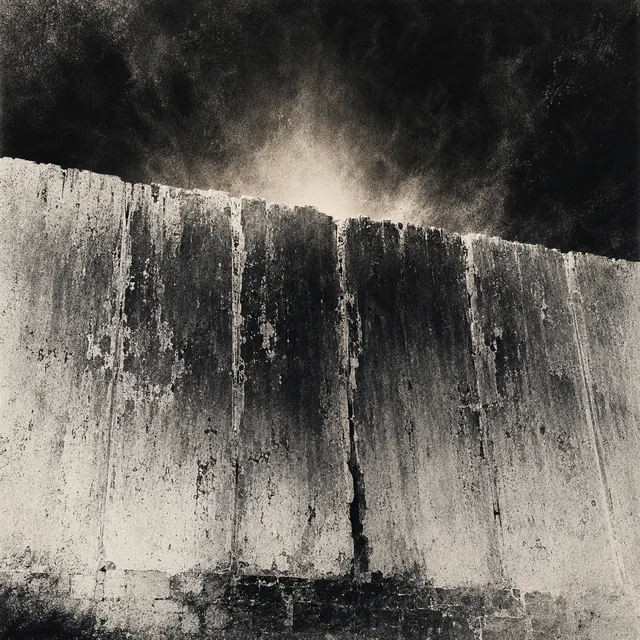
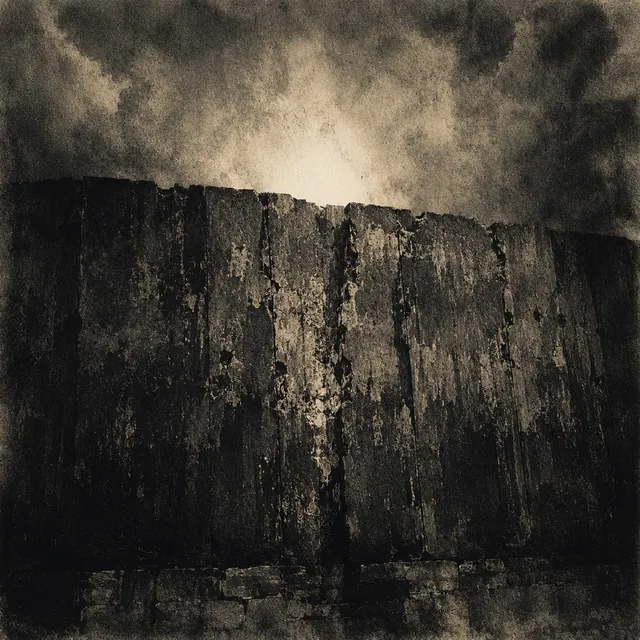
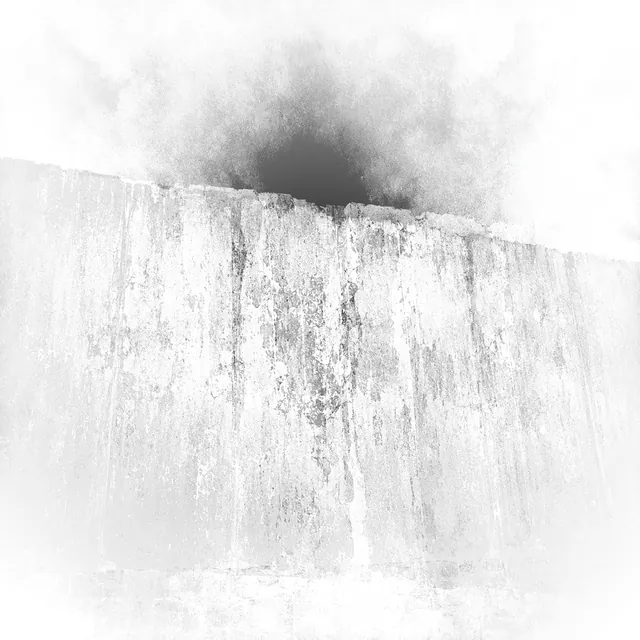
Defence as a wall
The same wall that keeps pain out also keeps out closeness and the light on the other side. It can leave you feeling empty and lost.


Spam email
Intrusive thoughts, like spam, do not have to be dealt with, investigated or answered. You do not open every junk email to check whether it is dangerous. The thought does not need to be taken care of to lose its power.



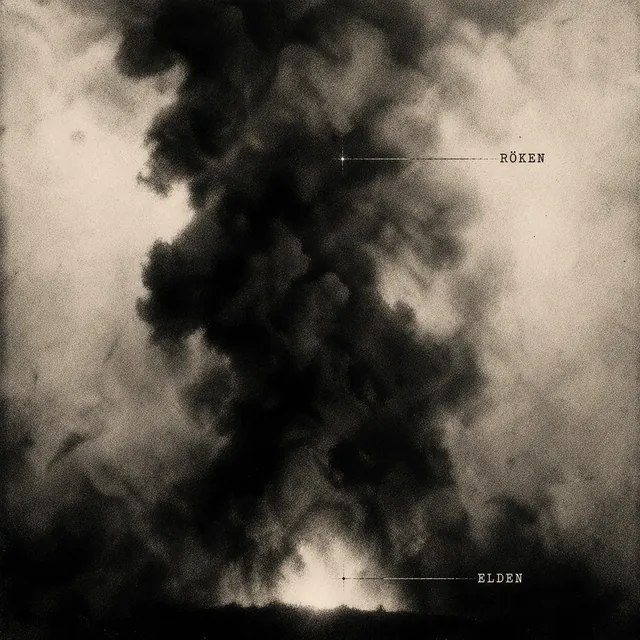
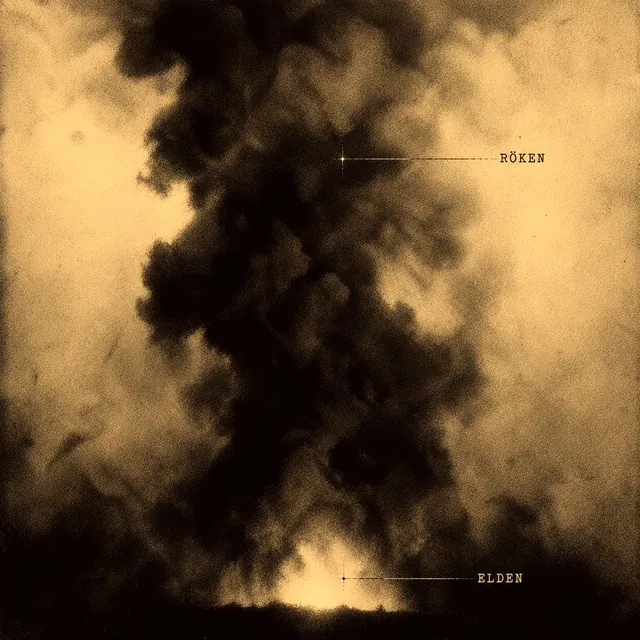
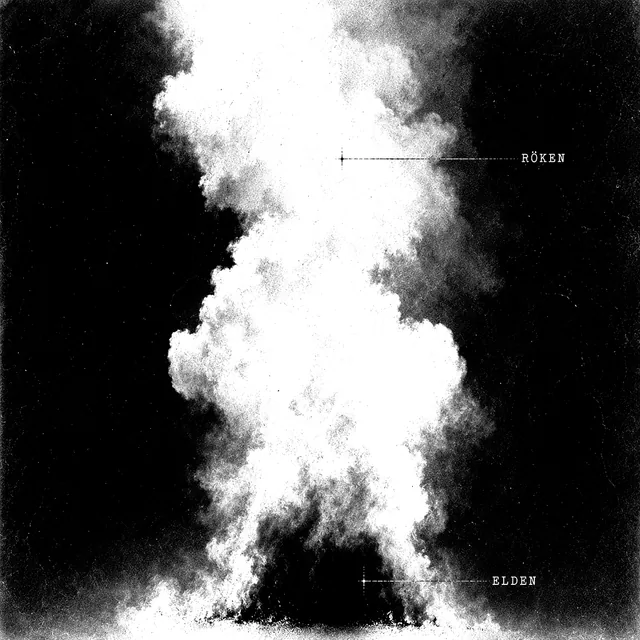
The smoke and the fire
Anxiety is the smoke — visible, tangible. In this image, the fire is a feeling that gives rise to anxiety. Both need our attention.


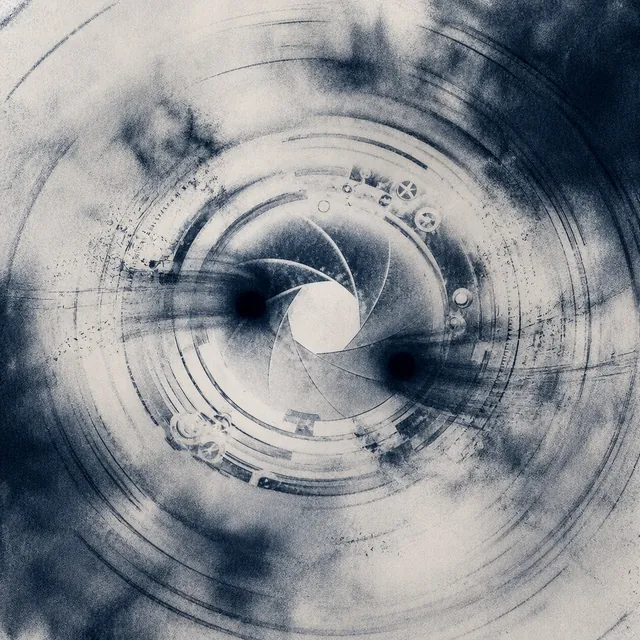
Autofocus
When we worry, attention can get stuck on possible threats. Autofocus is an image of attention's flexibility: being able to redirect the lens.


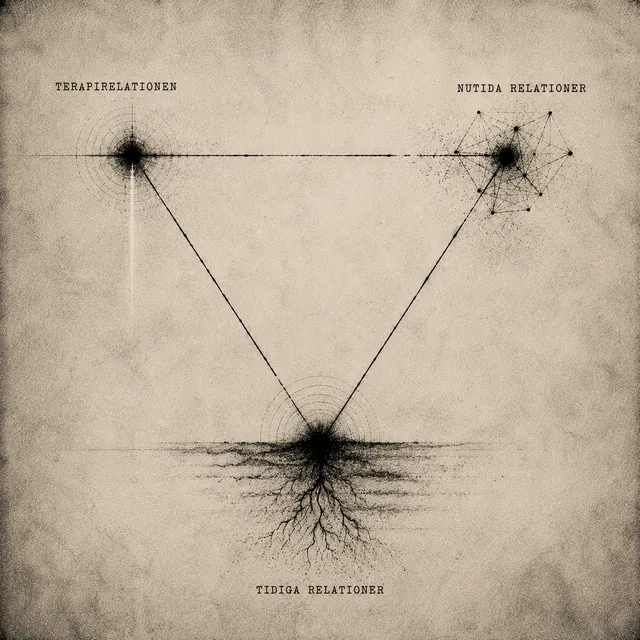
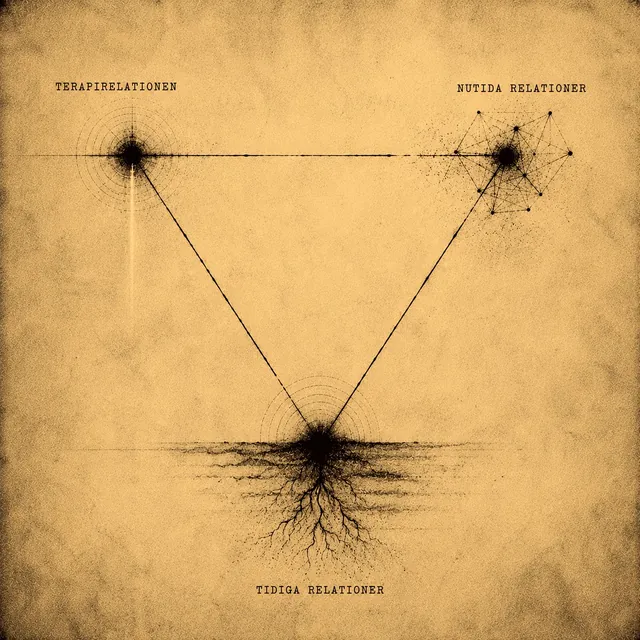
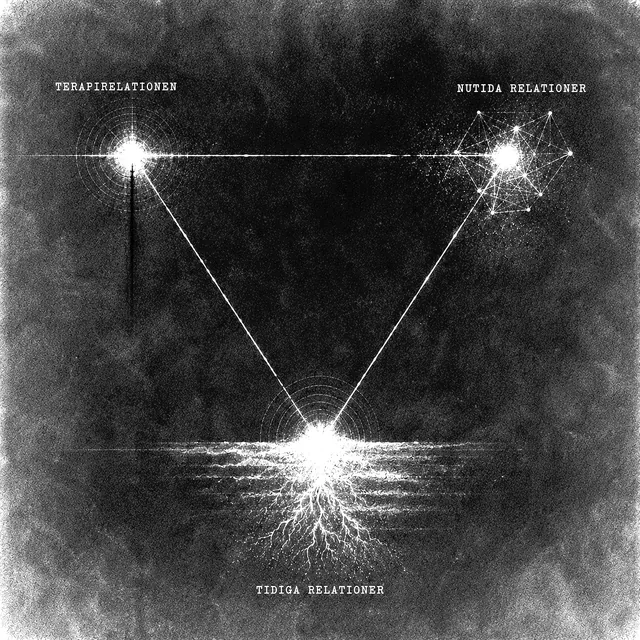
The triangle of persons
Early relationships can shape patterns that recur in present-day relationships. In the therapeutic relationship, they can become visible as they happen.


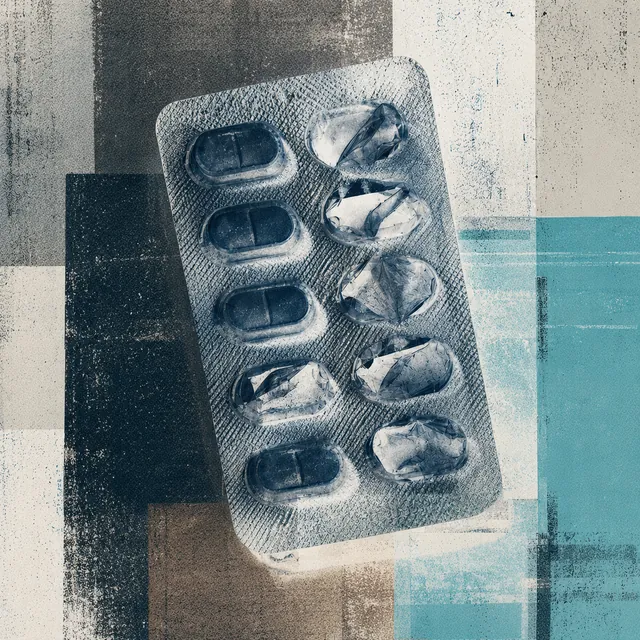
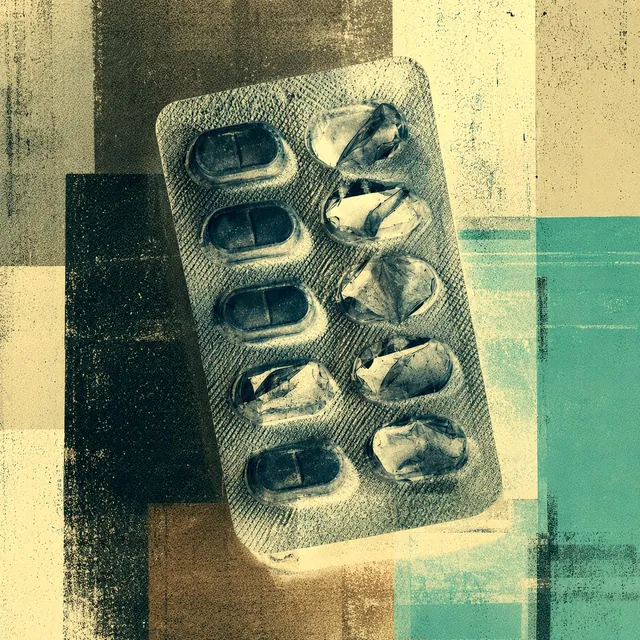
Reassurance as a short-acting painkiller
The relief is real. But when worry returns, the need for fresh reassurance can return too. Then the relief is brief, while the pattern remains.


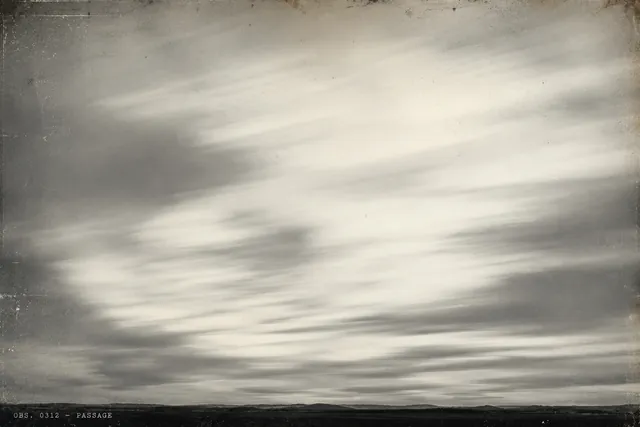
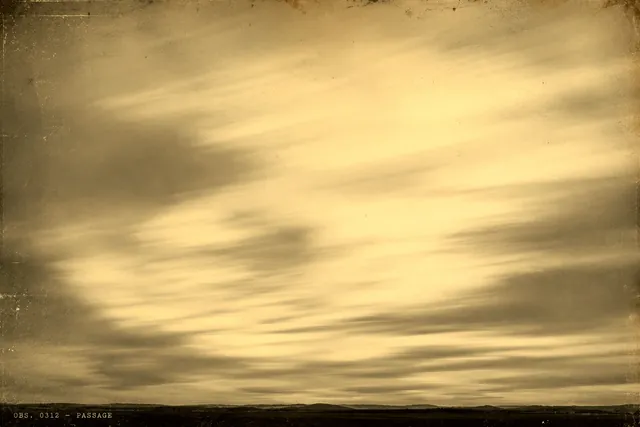
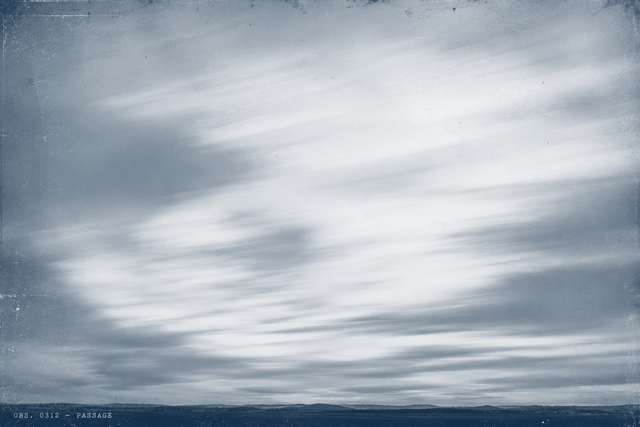
The sky
Thoughts shift like clouds across the sky. You can notice them without trying to control their movement.


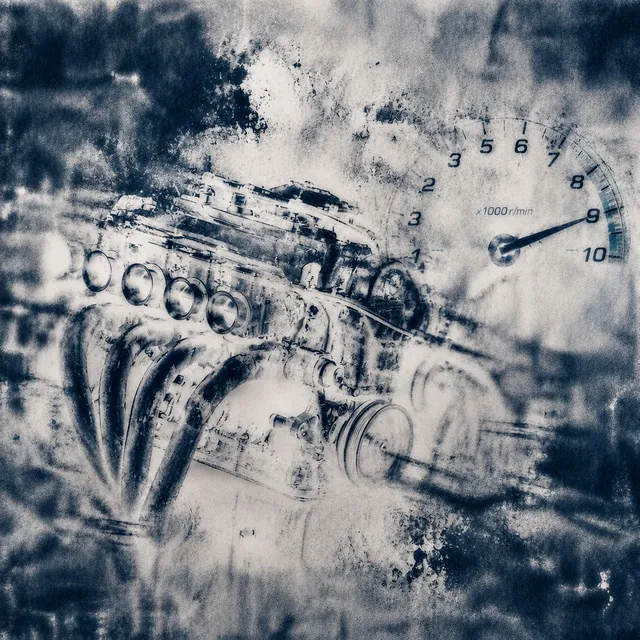
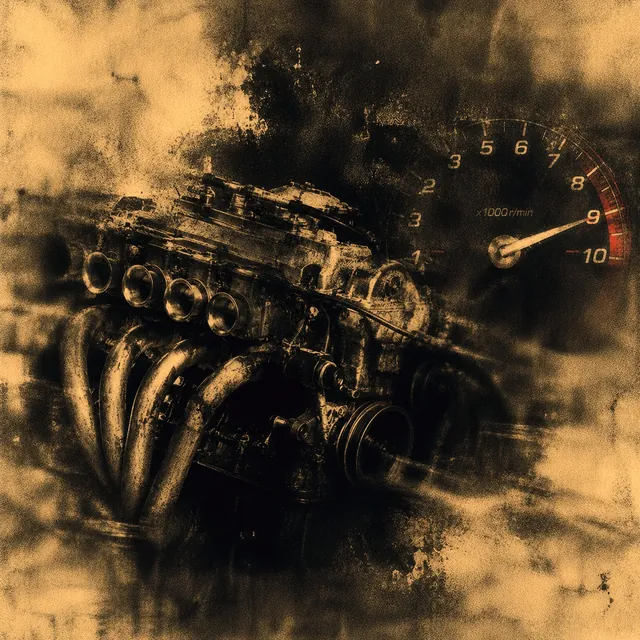
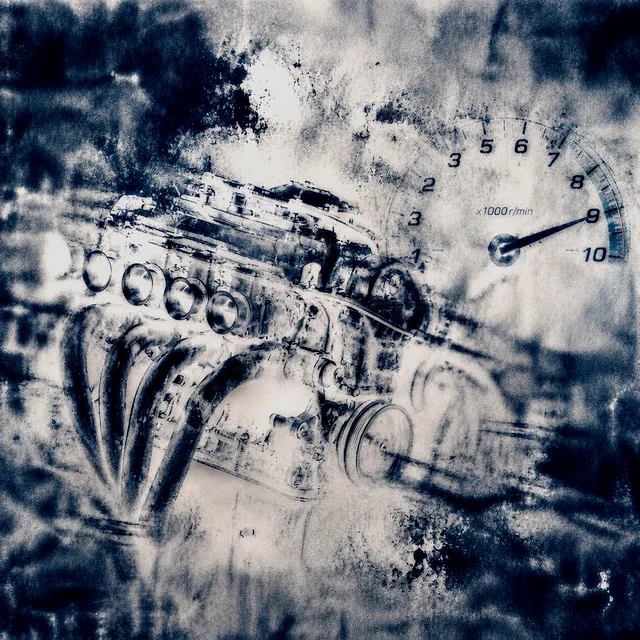
Revving in neutral
Rumination races — but nothing happens. The engine spins without driving anything forward.


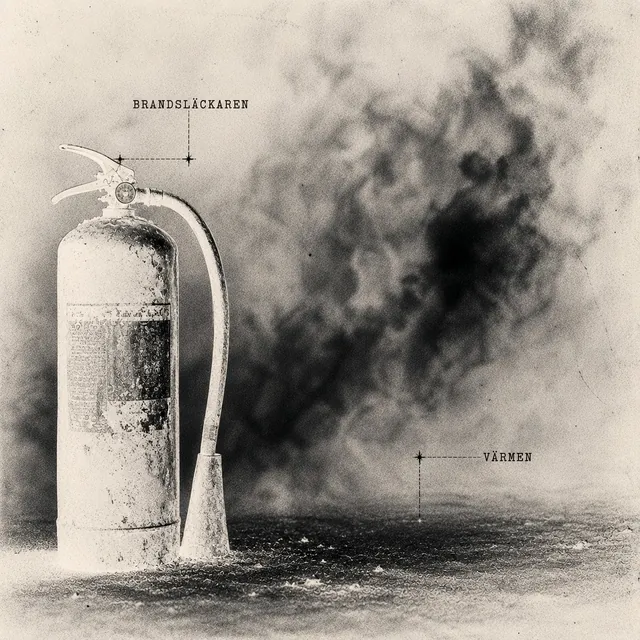
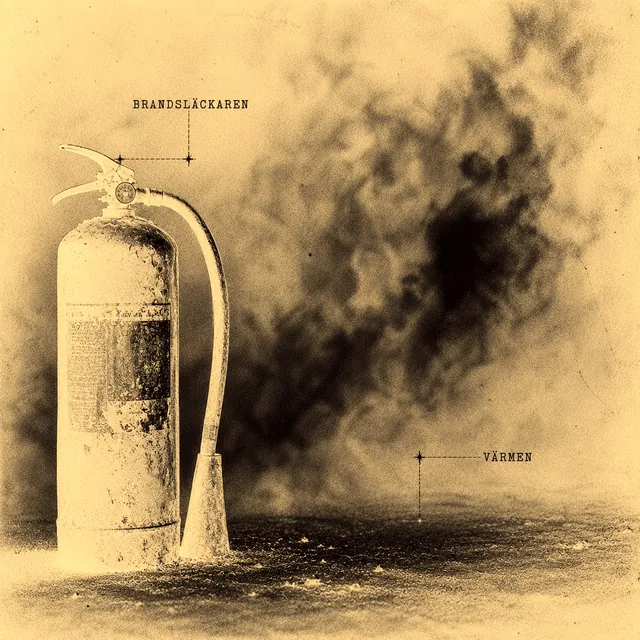
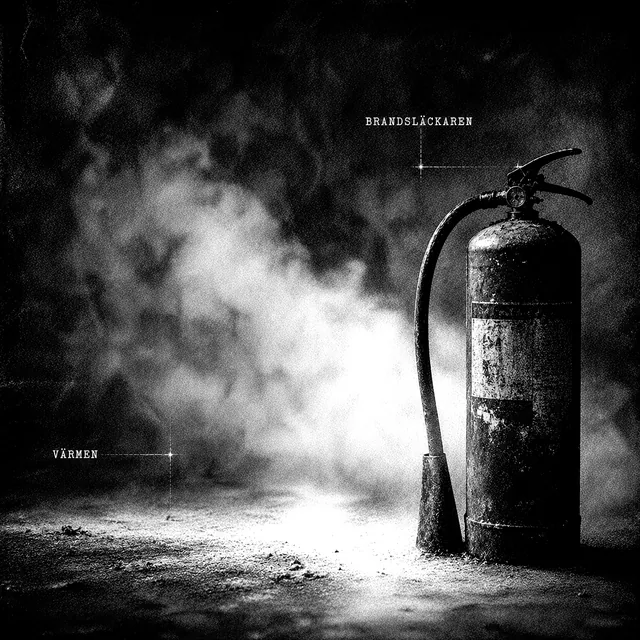
Defence as a fire extinguisher
It puts out the discomfort quickly. But it does not only put out the pain, it puts out the warmth too.


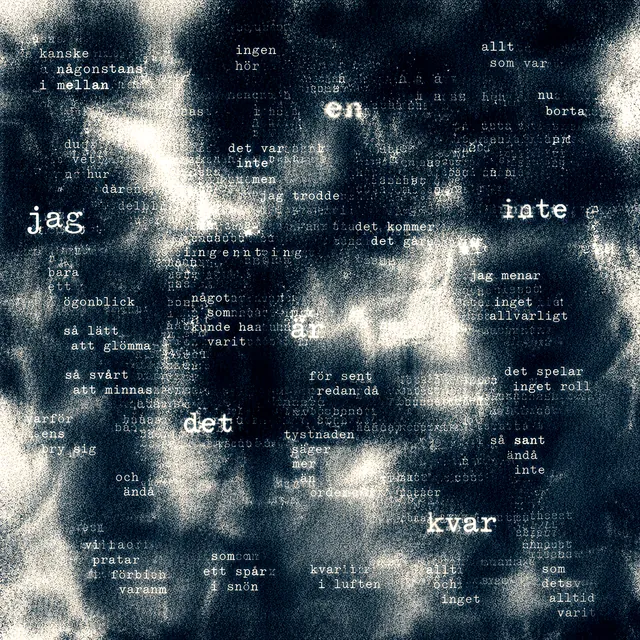
Word association
A word brings up a thought, an image, perhaps a memory. In the exercise, you notice the associations without analysing or directing them.


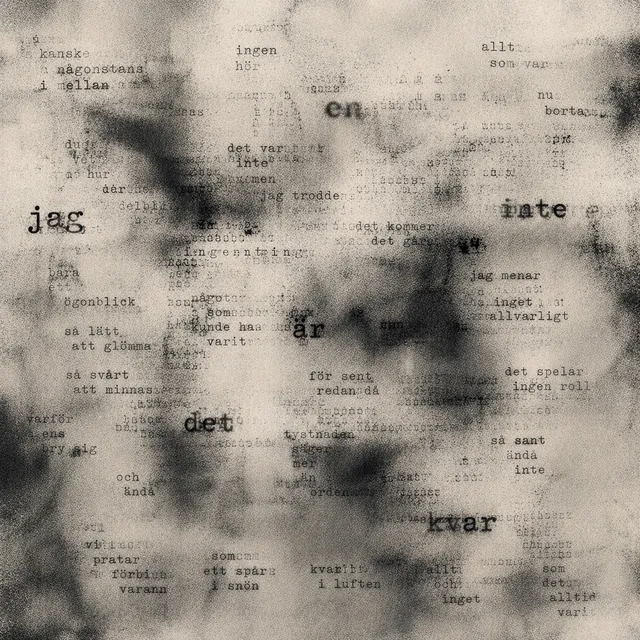
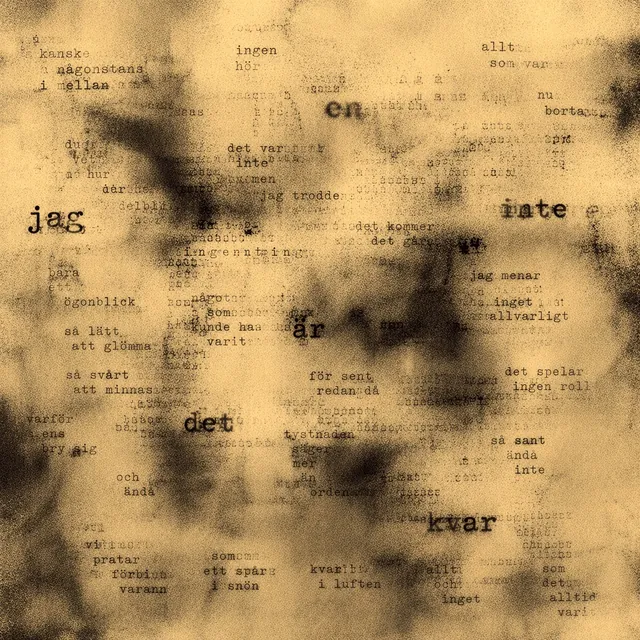
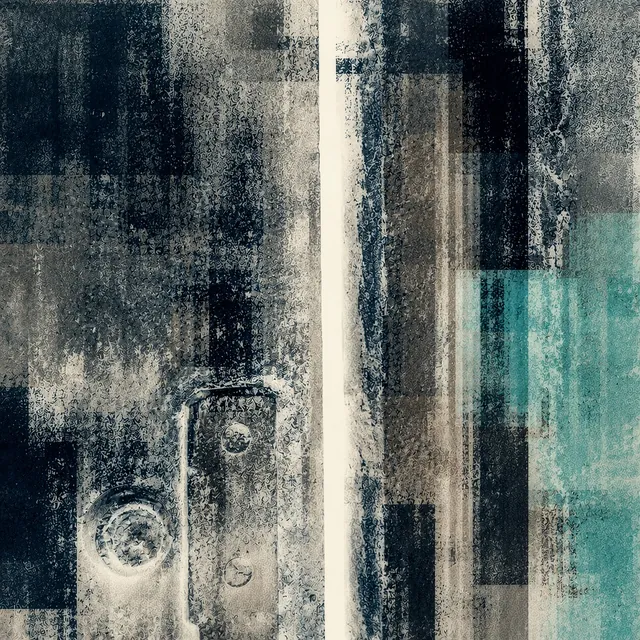
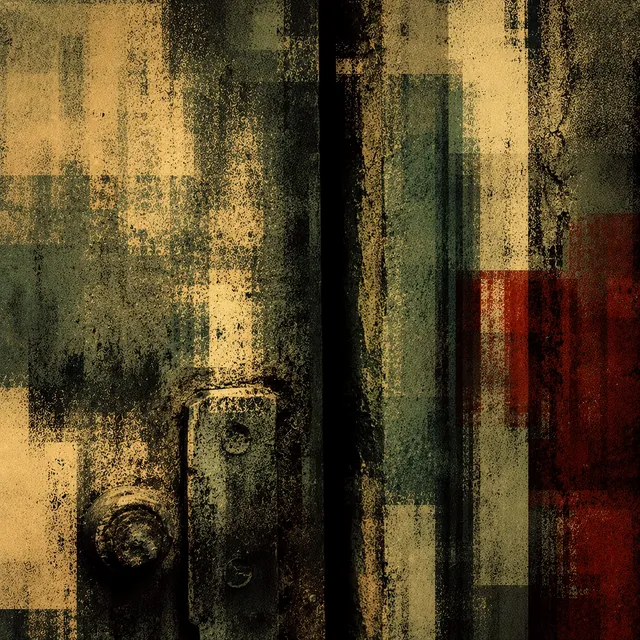
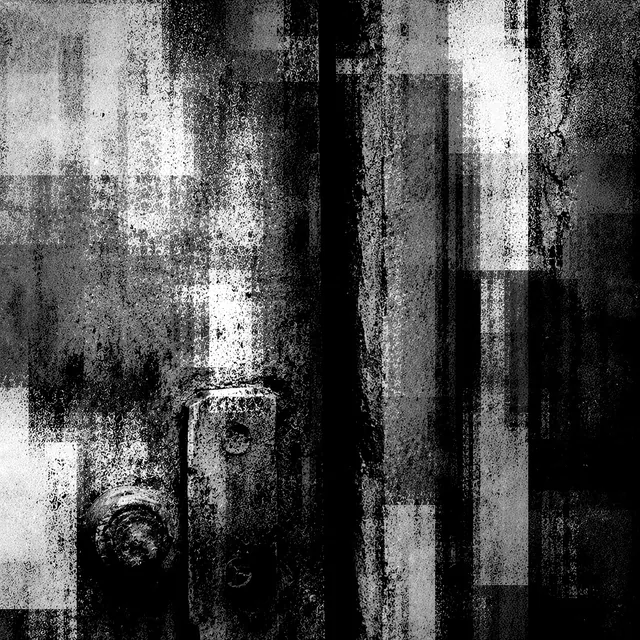
Resistance as a lid
Heavy, rusty, familiar. The work is not about forcing it open, but about understanding why it is there.


The torch
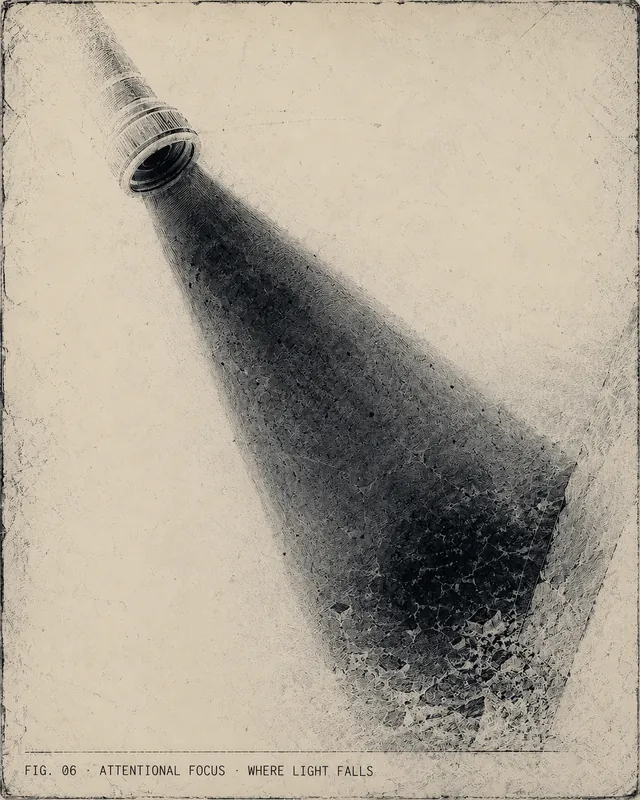
Attention is like your torch. Whatever you shine it on gets more of your attention. You direct the light.


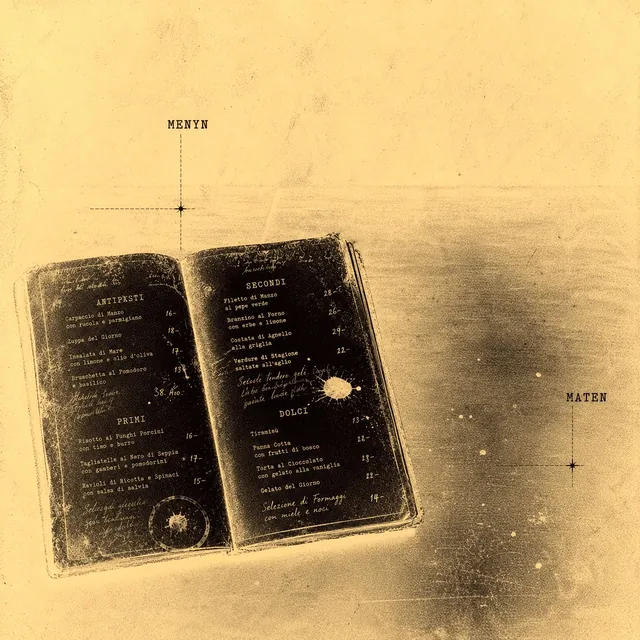
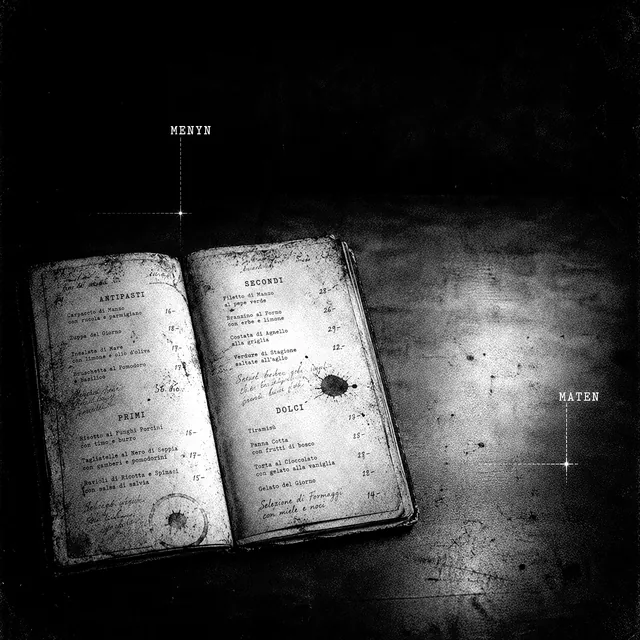
The menu instead of the meal
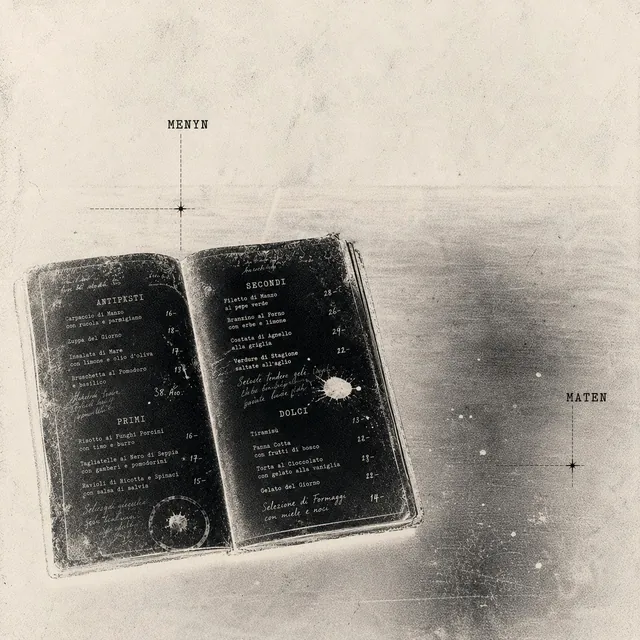
You can describe the feeling exactly. But there is a difference between reading the menu and eating the meal.


Anxiety as a signalling system
Anxiety can signal that something is stirring strong or conflicting feelings. In ISTDP, we explore the connection and how anxiety is expressed in the body. If it becomes overwhelming, it needs to be regulated.


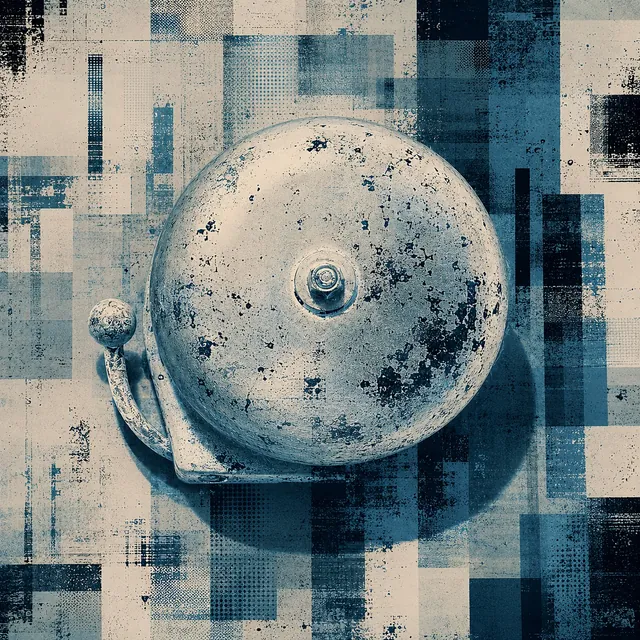
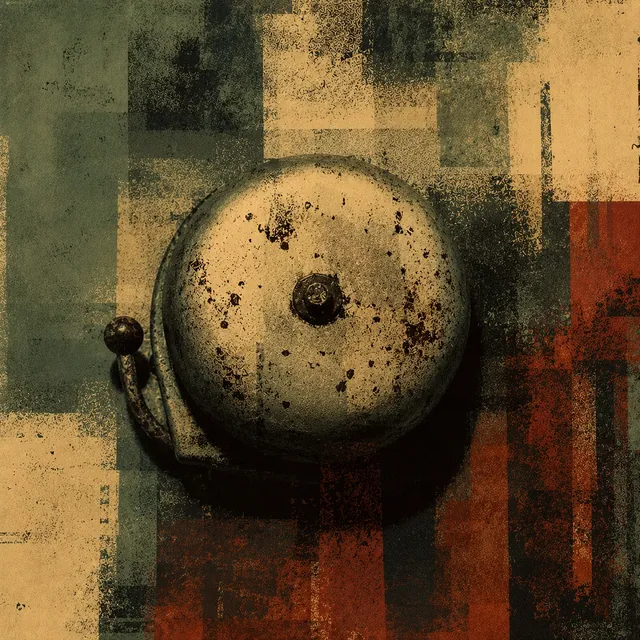
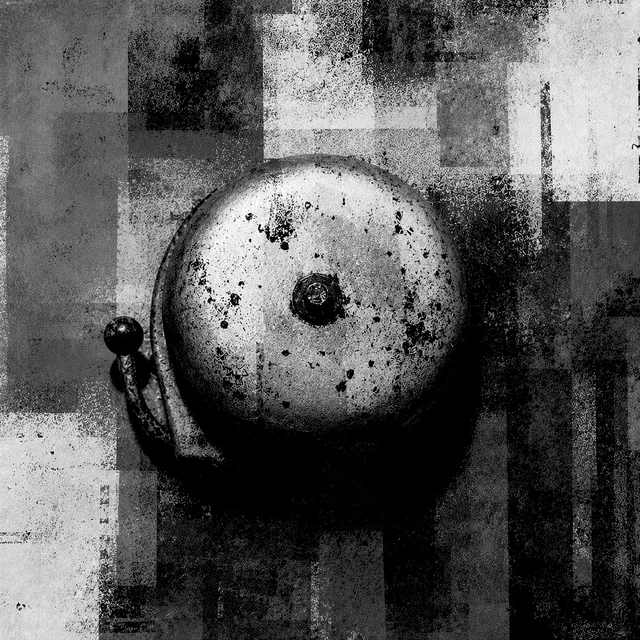
The wall
Every thought that is checked calls for another check. The wall is built by its own guard.
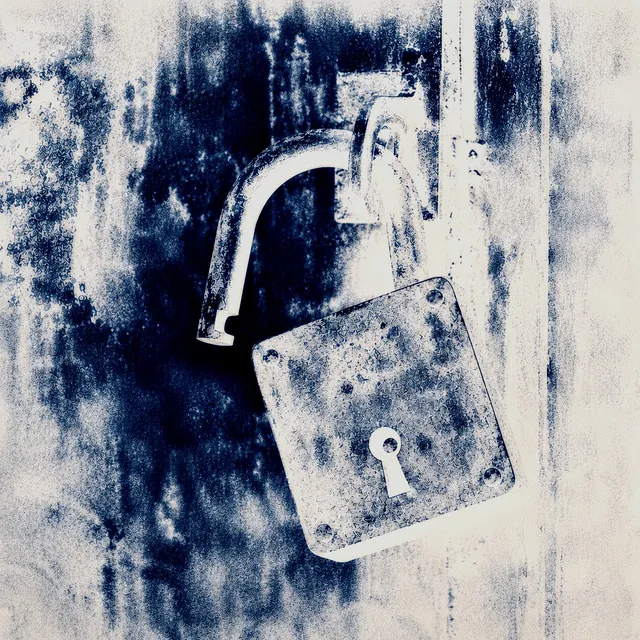
Unlocking
In ISTDP, unlocking describes a breakthrough to feelings and memories previously kept away. Here it takes the form of a quiet click — the right key, at the right moment.





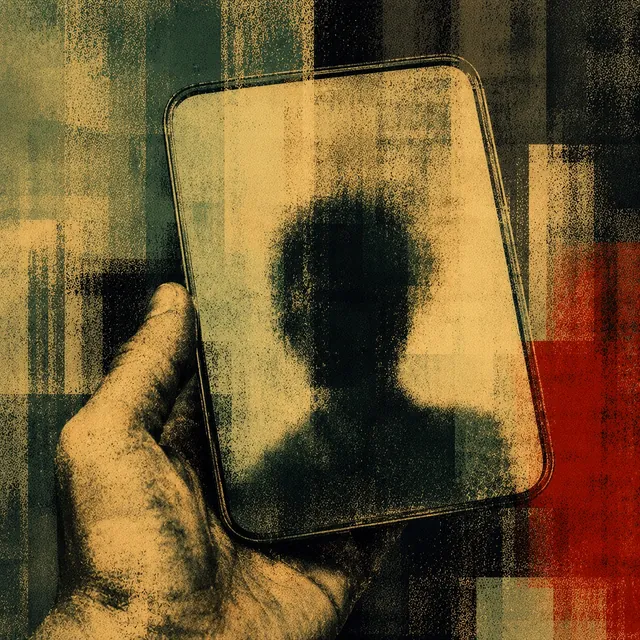
Turning the weapon on yourself
In this image, anger has turned inward. What could have been directed at someone else becomes an attack on the person themselves.


The operating system
MCT looks at the system around thoughts: how we evaluate them, direct our attention and get caught in further thinking.


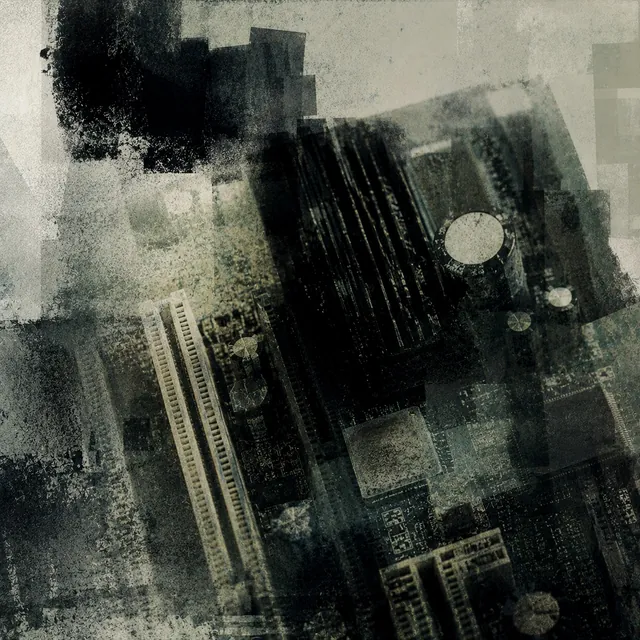
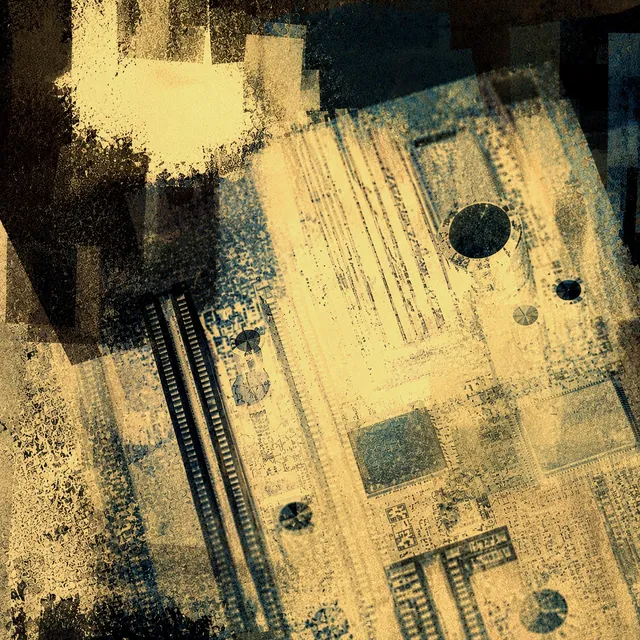
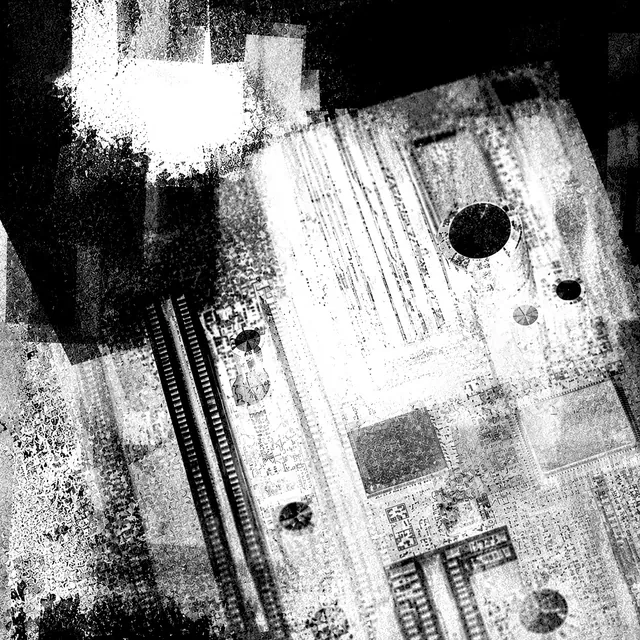
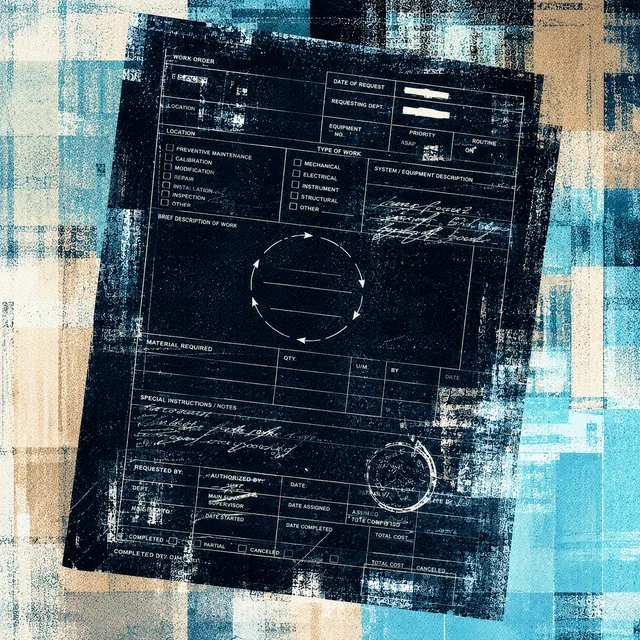
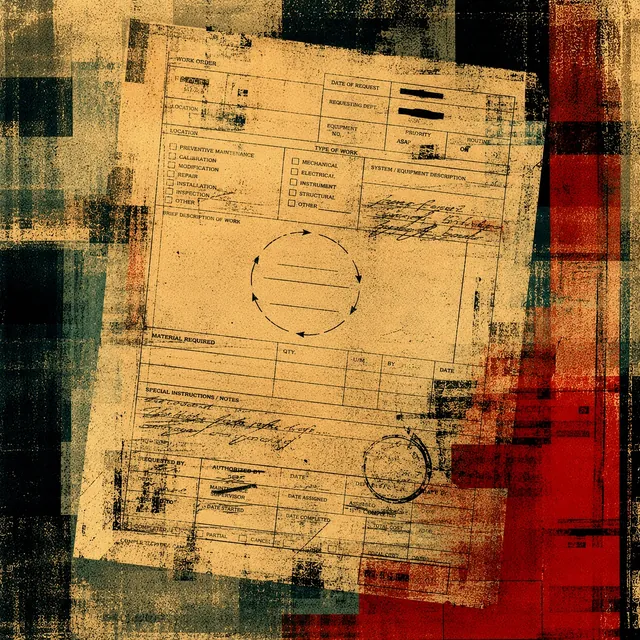
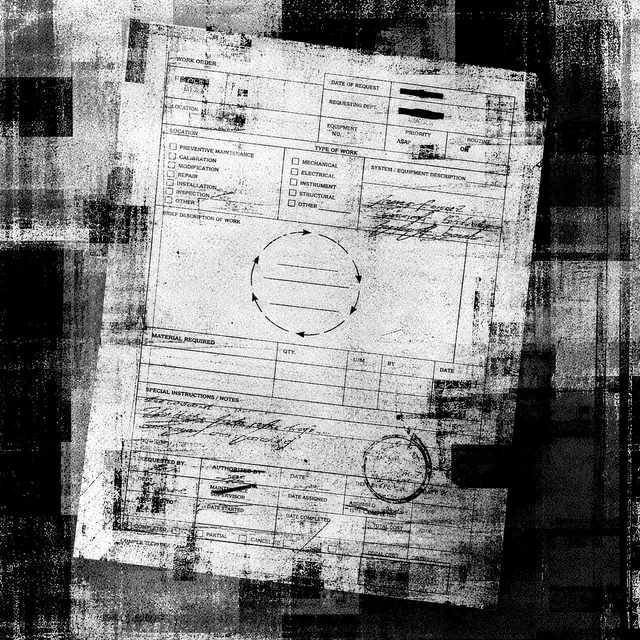
A false work order
The worrying thought looks like a task. But no one has issued it — the system produces orders that lead nowhere.


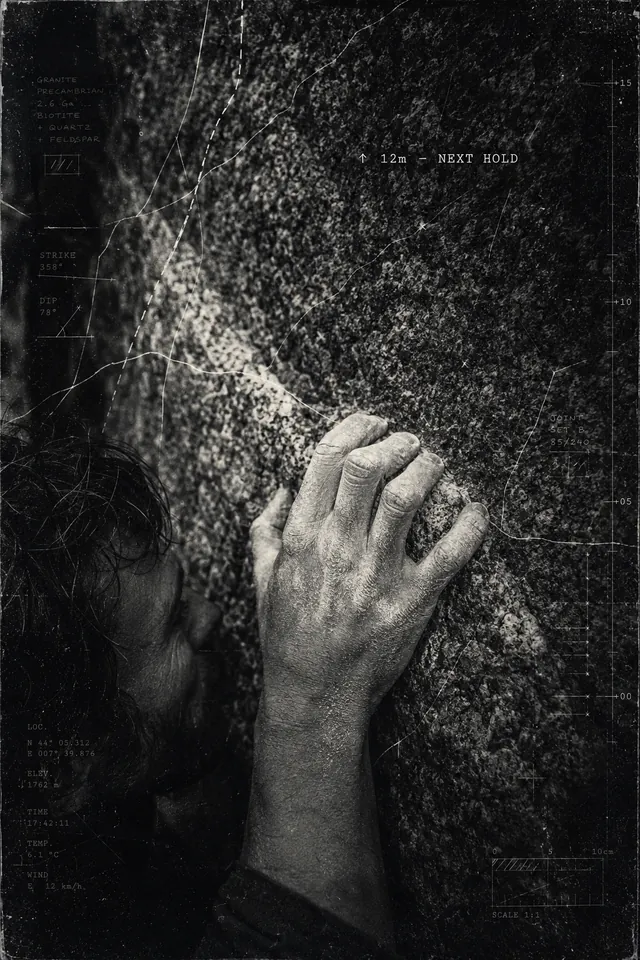
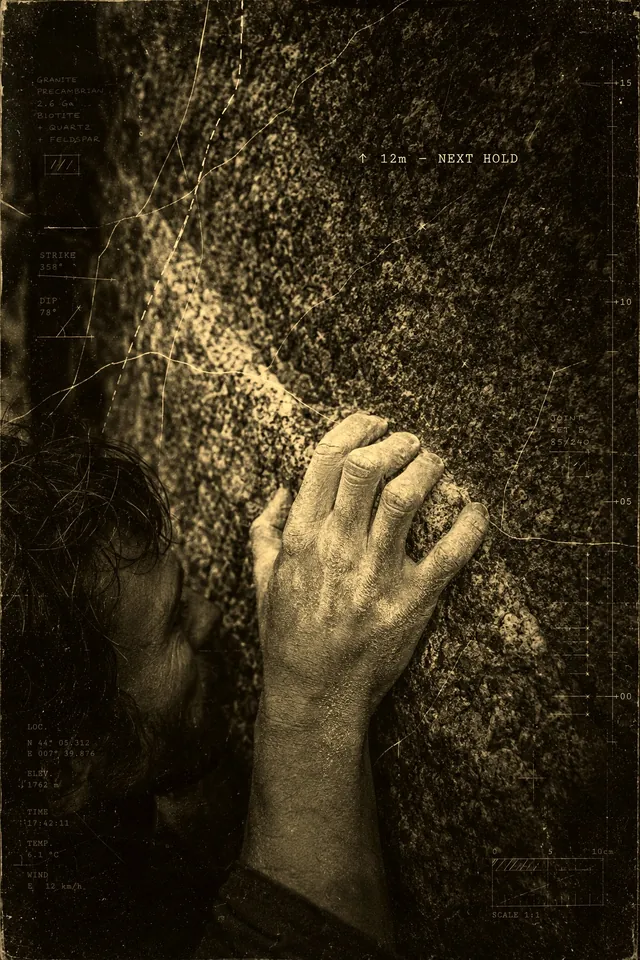
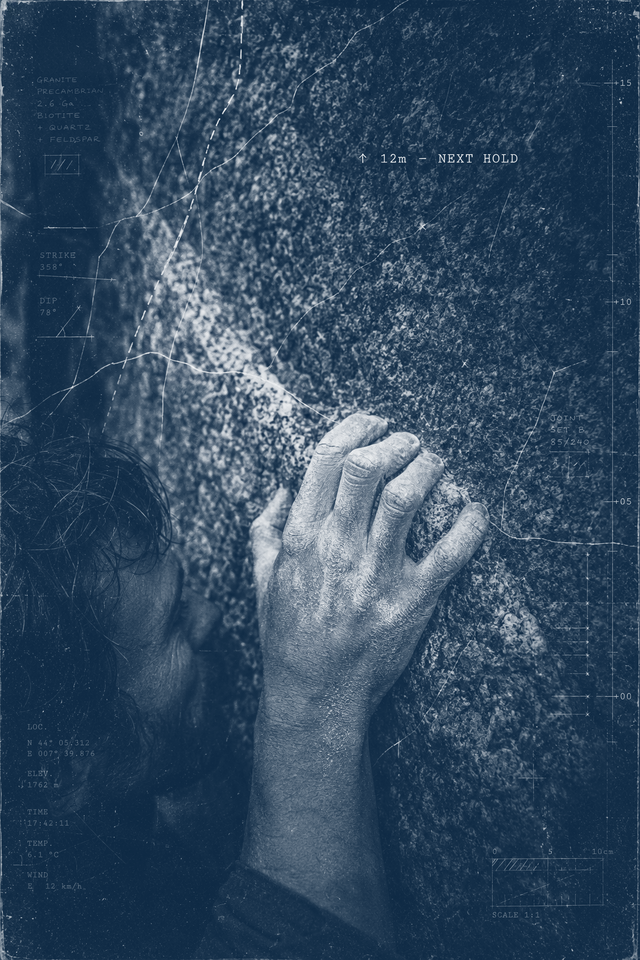
The mountain
The mountain looks overwhelming from below. Procrastination can mean standing there staring at the summit and staging the pain instead of taking the next step.


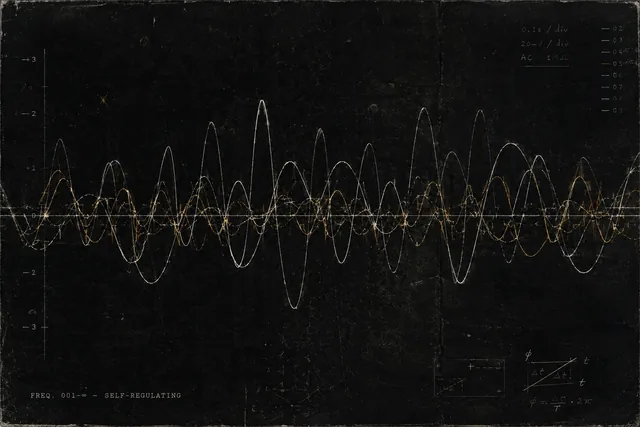
The oscilloscope
A feeling is not a problem to solve. It is a message to listen to.


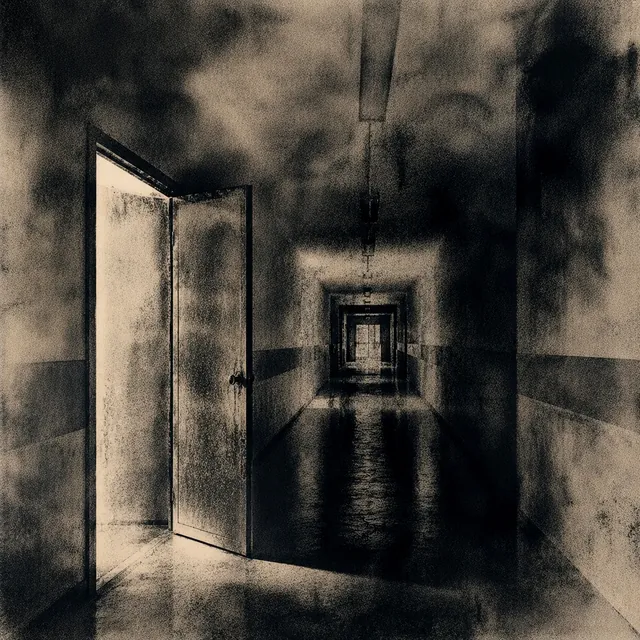
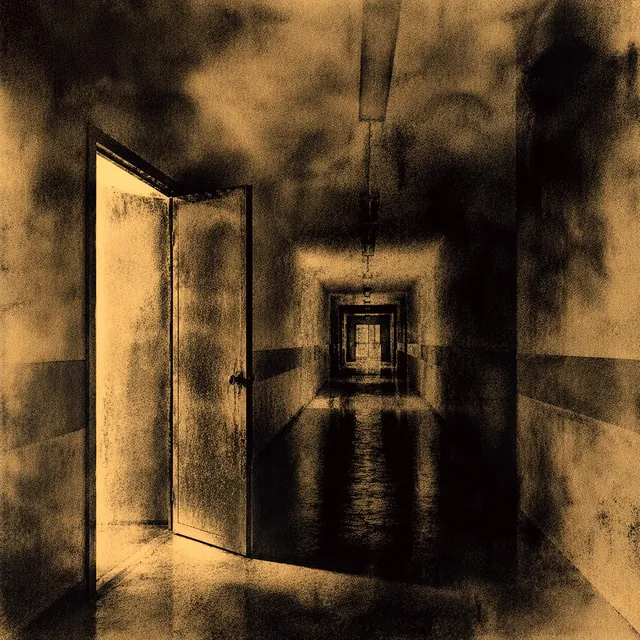
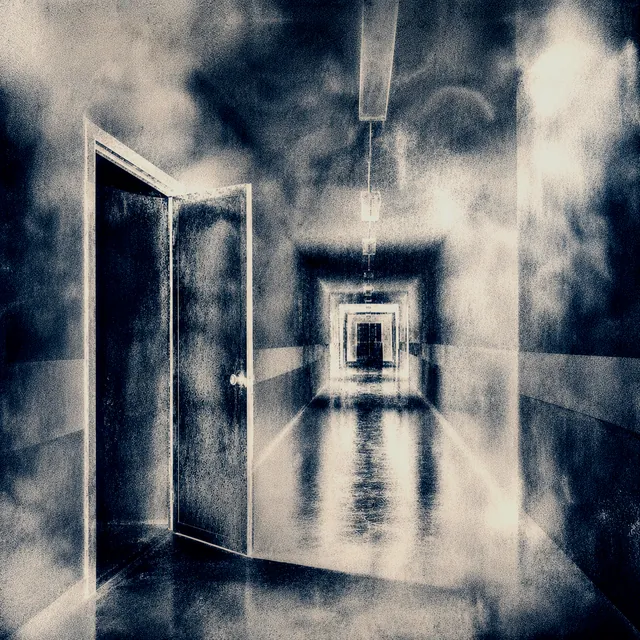
The side door
The door offered avoidance, without a decision.


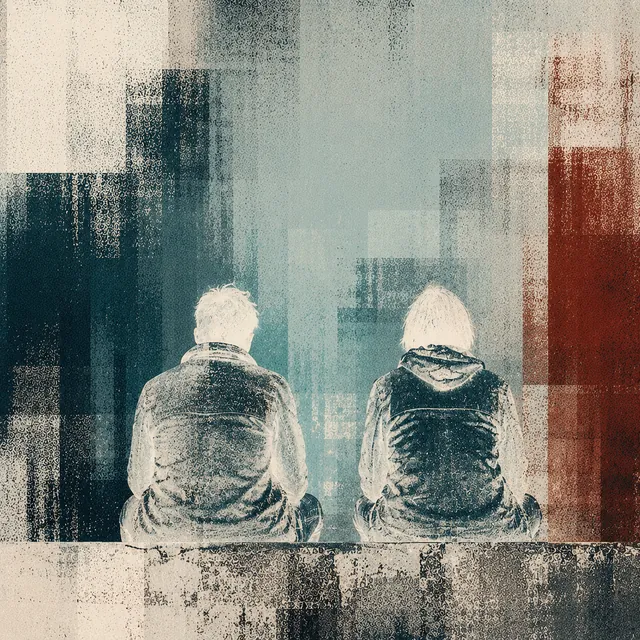
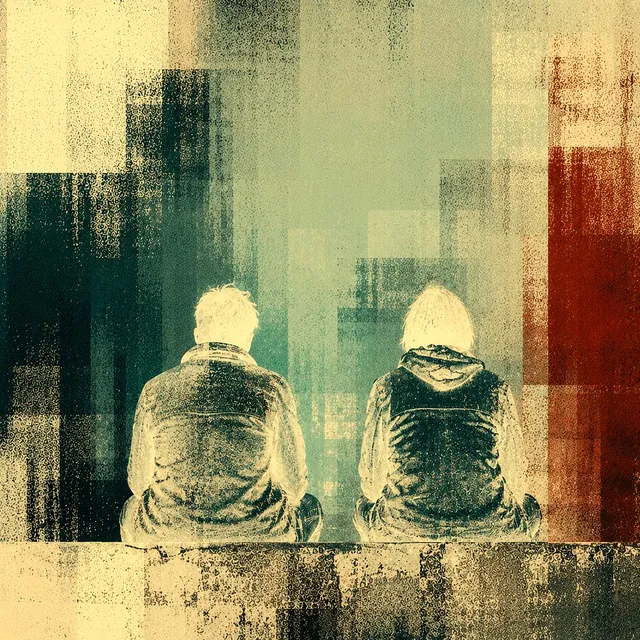
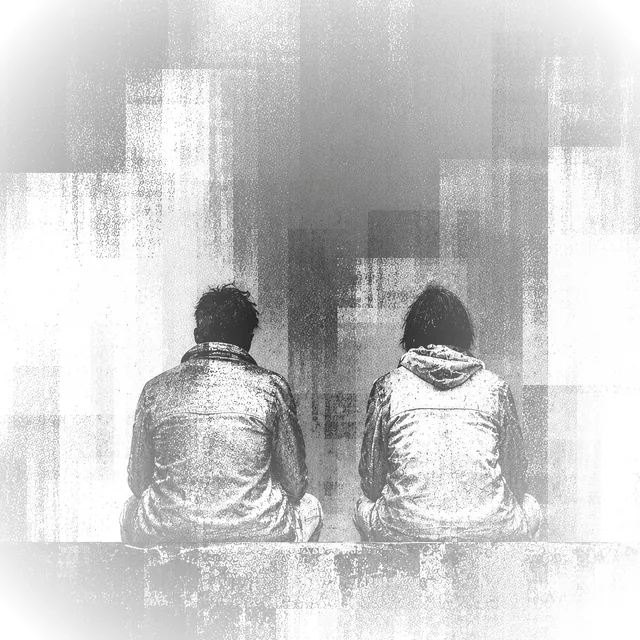
Therapist and patient on the same side
Therapist and patient look in the same direction. The therapeutic alliance is about exploring together what is happening, working with the defences that cause difficulties and finding a possible way forward.


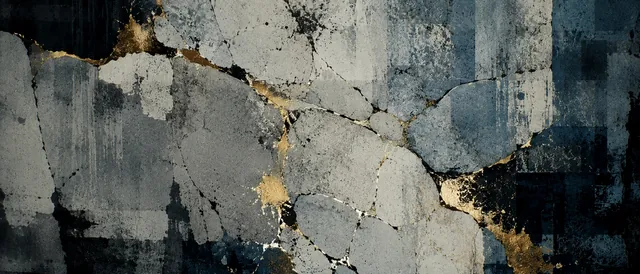
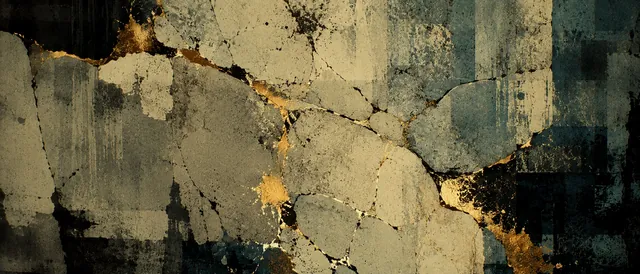
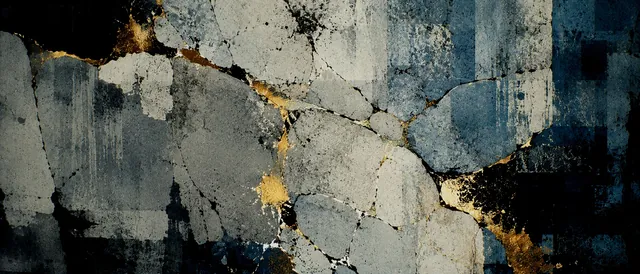


Kintsugi
What has broken is brought into view rather than hidden. The cracks repaired with gold make the object valuable.